Your First Amendment Source

MAY 7

Your First Amendment Source

The FCC orders early license review of Disney-owned ABC TV stations. The U.S. Supreme Court OKs a faith-based nonprofit’s bid to keep information about donors to pregnancy centers private. And tech companies challenge a Minnesota law requiring warnings on social media sites.

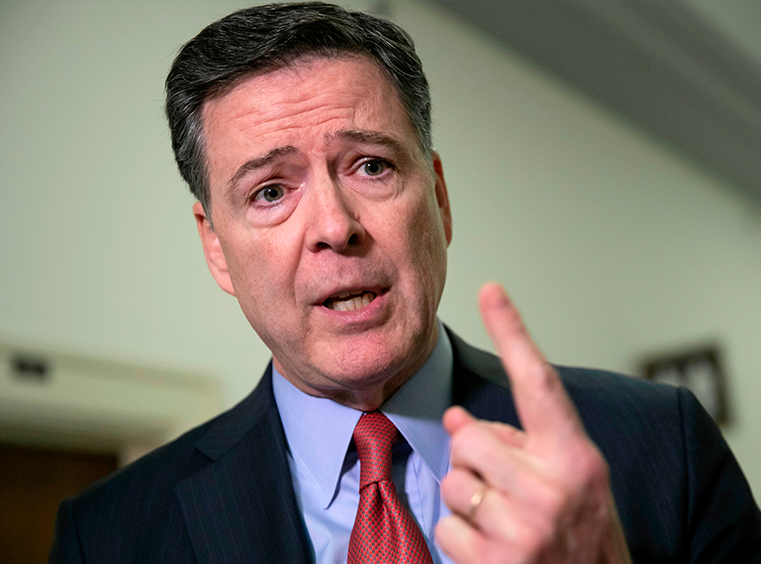
On April 28, a federal grand jury indicted former FBI Director James Comey over a photo he posted to social media last year depicting seashells on a beach arranged to read “86 47.” Prosecutors say the post was an illegal threat against President Donald Trump. Freedom Forum’s Katie Bernard explains the government’s case, Comey’s defense, and the line between First Amendment-protected speech and unprotected true threats.

The Federal Communications Commission has ordered Disney, owner of the ABC TV network and eight stations that carry ABC programming, to submit license renewal applications for those individual stations by May 28, moving up deadlines that were originally set to begin in 2028. The FCC issued the order for early renewal — a rare move — after investigating the ABC stations for alleged violations of communications law and FCC rules prohibiting “unlawful discrimination” related to the company’s DEI policies.

The FCC regulates broadcast TV and radio, which have traditionally faced more content-related restrictions than other media, but the First Amendment and federal laws limit the agency's power to regulate content. This means the agency generally can’t target or censor content based on its message or topic.

Anna Gomez, one of the FCC’s commissioners, criticized the renewal order as “retaliating” against ABC based on content unfavorable to the administration, including jokes by late-night talk show host Jimmy Kimmel: “What we saw today was the White House called for the silencing of a vocal critic, and the FCC answered that call,” she said.

In a September 2025 incident, Kimmel’s show was temporarily pulled from the air after telling a joke related to Charlie Kirk. Last week, the president said in a social media post that a joke Kimmel made on April 23, in which he said first lady Melania Trump had “a glow like an expectant widow,” was a “despicable call to violence” and wrote “Jimmy Kimmel should be immediately fired by Disney and ABC.”

The FCC has not indicated any connection between its license review and any specific content on ABC stations. At an April 30 news conference, FCC Chairman Brendan Carr said, “This was based on DEI conduct and not speech.”

Disney said its stations comply with FCC rules: “We are confident that record demonstrates our continued qualifications as licensees under the Communications Act and the First Amendment.”

More from Freedom Forum: 'FCC Regulation of Broadcast Media and the First Amendment'


On April 29, the U.S. Supreme Court unanimously ruled that First Choice Women’s Resource Centers, a religious nonprofit that runs several faith-based pregnancy centers, can fight a New Jersey order to turn over records, including donor information.

First Choice’s stated mission is “to encourage and equip women and men to make informed pregnancy decisions.” But in 2022, New Jersey’s attorney general issued a consumer alert claiming the pregnancy centers “seek to prevent people from accessing comprehensive reproductive health care” by “providing false or misleading information about abortion.” In 2023, the attorney general’s office sent a subpoena to First Choice seeking several types of records, including personal information of donors.

Before the deadline for responding to the subpoena, First Choice sued on First Amendment grounds to block the order. It argued the subpoena violated the group and its members’ First Amendment-based right of association because people would be less likely to donate if their donations were made public.

Both a federal District Court and a federal Court of Appeals said the group had to wait until a state court enforced the order to challenge it.

The Supreme Court disagreed, saying an order of this type can harm the group’s First Amendment rights: “Over and again, we have held those demands burden the exercise of First Amendment rights.”

The Supreme Court has said previously, including in a 2021 case and a 1958 case, that under the First Amendment, the government may not require charitable organizations to disclose donors or members if doing so would impact donors’ or members’ ability to organize and participate freely.

In this case, the court did not rule on whether the order violates the First Amendment; it simply sent the case to a lower court to answer that question.

More from Freedom Forum: 'Freedom of Association: The Lesser-Known First Amendment Right'


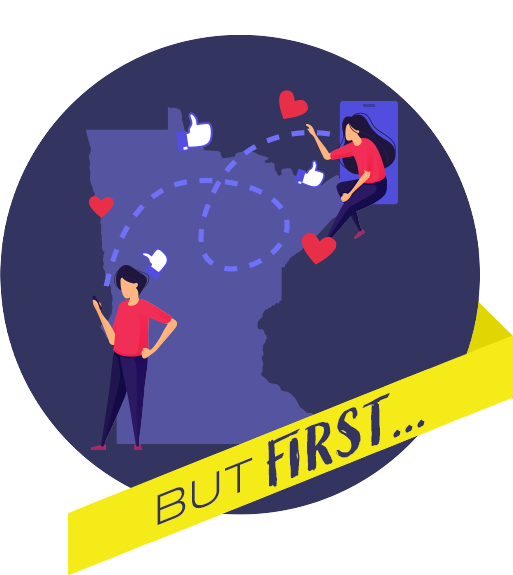
Tech lobbying group NetChoice is asking a federal court to prevent enforcement of a Minnesota social media warning label law on the grounds that it compels speech in violation of the First Amendment.

The Minnesota law, effective July 1, requires social media sites and apps to show state-issued warnings that users must acknowledge each time they access the sites. The messages “warn the user of potential negative mental health impacts of accessing the social media platform.”

Minnesota state Rep. Zack Stephenson, the law’s sponsor, said, “The evidence is clear that social media is linked with poor mental health outcomes, particularly among children.”

NetChoice is suing Minnesota’s attorney general and the state Department of Health commissioner, claiming:

  • The law is unconstitutionally vague because it isn’t clear what social media platforms are covered.
  • The law defines the impacted sites based on the subject matter of their content.
  • The state has many other ways to warn about the perceived dangers of social media besides compelling private companies to share the state’s message and users to acknowledge and accept that message.
  • The law doesn’t permit companies to include their own messages disagreeing with the warnings or stating they’re a government requirement.

NetChoice members, which include TikTok, Meta, X, YouTube and others, say the warnings don’t contain factual content but rather government opinions.

“Minnesota cannot place conditions on the right to publish lawful speech, but that is exactly what this law does,” said Paul Taske, co-director of the NetChoice Litigation Center. “It doesn’t matter whether it’s a billboard, newspaper or website. The government can’t force publishers to disseminate its propaganda.”

More from Freedom Forum: 'Can You Be Required to Speak? Compelled Speech Explained'

“[Freely Fest] was a shared experience that deepened understanding and appreciation of our fundamental freedoms.”

— Freedom Forum Chair and CEO Jan Neuharth

The inaugural Freely Fest may be over, but the celebration of music and the First Amendment continues, with reflections from Neuharth on how the night was more than a music festival.

Image credit: Roger Ho

Facebook Twitter Instagram TikTok YouTube Flickr
ShopContact UsView In Browser Unsubscribe
powered by Blackbaud
nonprofit software